



Understanding the Megaflow System: A Comprehensive Guide

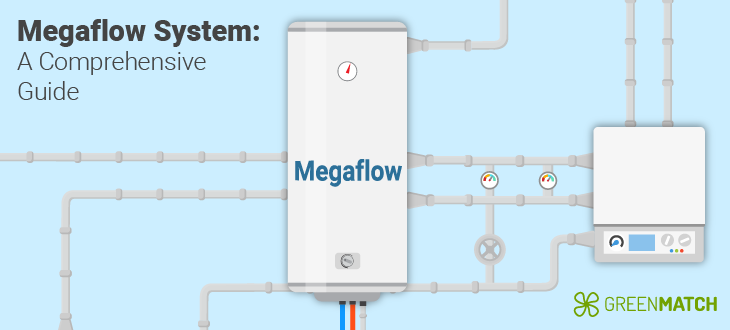
A Megaflow system, also known as a Megaflo unvented system, is a high-performance water storage cylinder that integrates seamlessly into a central heating system. This unvented hot water cylinder offers numerous advantages over traditional vented systems, providing high-pressure hot water and efficient performance.
Megaflow systems, with their reliability and cutting-edge technology, are a significant stride towards sustainable living. They align perfectly with our mission to foster the transition to more eco-friendly and energy-efficient households.
This guide is a deep dive into the intricacies of the Megaflow system, covering its benefits, installation requirements, and maintenance tips. Whether you're a homeowner considering an upgrade or a professional installer, this comprehensive guide is for you. It will equip you with valuable insights into the Megaflow system.
- How Does a Megaflow System Work?
- Key Features of a Megaflow System
- Cost Considerations
- Advantages of a Megaflow System
- Installation and Maintenance of Mageflo
- Is a Megaflow System Right for Your Home? Pros and Cons
- Comparison with Other Systems
- Best Megaflow Brands
- Environmental Impact and Energy Efficiency
- In Summary
- Megaflow System: FAQs
What is a Megaflow System?
A Megaflow system comprises a high-quality stainless steel unvented hot water cylinder designed to store and deliver pressurised hot water. Unlike traditional vented systems, Megaflow cylinders connect directly to the mains water supply, eliminating the need for a cold water storage tank in the loft.
This design ensures high water pressure and a consistent flow of hot water throughout the home.
It is ideal for properties with multiple bathrooms or high hot water demand.
Manufacturers like Heatrae Sadia, a leading British company specialising in hot water solutions, Megaflo cylinders have earned a reputation for reliability and performance. These systems cater to modern households with high hot water demands. They are particularly suitable for homes with multiple bathrooms or those requiring simultaneous hot water usage at various outlets.
Megaflow System Specifications
| Specification | Value |
|---|---|
| Material | Duplex Stainless Steel |
| Insulation Thickness | 60mm |
| Maximum Operating Pressure | 3.5 bar |
| Minimum Recommended Pressure | 1.5 bar |
| Flow Rate | Up to 72 litres per minute |
| Warranty | 25 years |
| Installation Cost | £2,000 - £3,000 |
How Does a Megaflow System Work?
Megaflow cylinders operate on a simple yet effective principle. They provide a consistent supply of high-pressure hot water throughout a property.
- Water intake: Cold water enters the cylinder directly from the main supply. This eliminates the need for a cold water storage tank in the loft.
- Heating methods: The water inside the cylinder can be heated through various techniques:
- Indirect heating: A boiler circulates hot water through a coil inside the cylinder, transferring heat to the stored water.
- Direct heating: Electric immersion heaters within the cylinder heat the water directly.
- Renewable energy sources: Solar panels or heat pumps can be integrated to provide eco-friendly heating.
3. Pressure management: As the water heats up, it expands within the sealed cylinder. To manage this increased pressure:
- If it builds up beyond safe levels, pressure relief valves are installed to release excess pressure.
- An expansion vessel absorbs the expanded water volume, maintaining a stable pressure within the system.
4. Hot water delivery: Hot water exits the cylinder at the main pressure when taps or showers are turned on. This provides powerful showers and fast-filling baths without the need for additional pumps.
5. Continuous supply: The large storage capacity of Megaflow cylinders (typically ranging from 100 to 300 litres) ensures a plentiful hot water supply. As people use hot water, cold water enters the bottom of the cylinder to replace it. The system then heats this cold water to maintain the supply.
6. Temperature control: A thermostat monitors the water temperature, activating the heating source when it drops below the set level (usually around 60°C).
7. Safety features: Megaflow systems include several safety mechanisms, such as temperature and pressure relief valves, to prevent overheating or excessive pressure buildup.
The mains pressure delivery also eliminates the need for gravity-fed systems, allowing greater flexibility in bathroom and kitchen layouts.
| Feature | Value |
|---|---|
| Energy Rating | A |
| Recovery Rate | 0.7 kW/hr |
| Heat Loss | 1.39 kWh/24hr |
| Annual Energy Consumption | 1277 kWh/annum |
| Water Heating Efficiency | 93% |
Key Features of a Megaflow System
The Megaflow system offers several key features that make it an attractive choice for many households.
- High Water Pressure: The Megaflow system delivers water at mains pressure, ensuring powerful showers and fast-filling baths. It is typically between 1.5 and 3 bar, ensuring powerful showers and fast-filling baths, even when multiple outlets are used simultaneously. This high water pressure is maintained throughout the house, providing a consistent and satisfying flow of hot water.
- Space-Saving Design: Without a cold water storage tank, the Megaflow system's space-saving design eliminates the need for a cold water storage tank, freeing up valuable space in your home and allowing for more flexible installation options. This is particularly beneficial for homes with limited space or those looking to repurpose loft areas.
- Energy Efficiency: The system is highly efficient, with excellent insulation to minimise heat loss. It is highly efficient due to its 60mm thick layer of high-performance polyurethane foam insulation, which minimises heat loss from stored hot water. This excellent insulation, combined with fast reheat times, reduces energy consumption and integrates well with renewable energy sources like solar panels, making it an eco-friendly choice.
- Durability: Constructed from duplex stainless steel, the Megaflow cylinder is corrosion-resistant and has an extended warranty. The Megaflow cylinder is resistant to corrosion and pressure tested to 15 bar at the factory, which is five times the normal operating pressure. This robust construction, along with long-life Superloy immersion heaters, ensures a long lifespan and comes with a 25-year warranty on the cylinder.
- Safety Features: A temperature and pressure relief valve is included to prevent overheating and over-pressurisation. It consists of a temperature and pressure relief valve to avoid overheating and over-pressurisation, an expansion relief valve to safely accommodate water expansion, and cold water inlet controls to regulate incoming pressure. Additionally, the system has a thermal cut-out on immersion heaters and complies with all relevant safety standards and regulations, providing peace of mind for homeowners.
Cost Considerations
The cost of installing a Megaflow system can vary depending on the cylinder size and the installation's complexity. On average, homeowners expect to pay between £2,000 and £3,000 for a typical installation.
It's vital to check if this includes VAT and installation fees. Installing an unvented hot water cylinder alone can range from £500 to £1,500, influenced by the workload involved with the boiler setup.
While the initial investment may be higher than traditional systems, the long-term benefits often justify the cost. These benefits include improved efficiency and performance. Here is a detailed breakdown of cost implications.
| Property Size | Cylinder Size | Estimated Cost Range | Cost Factors |
|---|---|---|---|
| Small (1-2 bedrooms) | 150-180 liters | £1,500 - £2,500 | - Straightforward installations in inaccessible locations - Higher costs if significant pipework modifications are needed |
| Medium (3-4 bedrooms) | 210-250 liters | £2,000 - £3,500 | - Typical installations - Higher costs of relocating the cylinder or extensive plumbing work are required |
| Large (5+ bedrooms) | 300+ litres | £2,500 - £4,500+ | - Larger cylinder size - Potentially more complex installations - May require upgrades to existing pipework |
Critical Factors Affecting Costs Across Property Sizes:
- Cylinder size and brand: Megaflow is a premium brand.
- The extent of pipework modifications: More modifications increase costs.
- Accessibility of installation location: Hard-to-reach areas can increase labour costs.
- Old system removal: Additional costs if the old system needs removal.
- Additional components: Expansion vessels, valves, etc., can add to the cost.
- Labour costs: These can vary by region.
Long-term Benefits:
- Improved energy efficiency: Potentially lower running costs.
- Better performance and water pressure: Enhanced user experience.
- Longer lifespan: 25+ year warranty on cylinders.
- Increased property value: Adds value to the property.
For the most accurate cost estimate, it is recommended to get quotes from multiple qualified installers.
These installers can assess the specific requirements of your property.
Megaflow System Sizes and Specifications
Megaflow cylinders are available in various sizes to suit different household needs. The following table provides an overview of common Megaflow cylinder specifications:
| Capacity (litres) | Height (mm) | Diameter (mm) | Weight (empty) kg | Weight (total) kg | Heat Loss (kWh/24h) | Recovery Time (mins) |
|---|---|---|---|---|---|---|
| 125 | 1102 | 579 | 39 | 179 | 1.05 | 18.3 |
| 145 | 1229 | 579 | 44 | 199 | 1.10 | 18.7 |
| 170 | 1384 | 579 | 48 | 230 | 1.15 | 24.3 |
| 210 | 1486 | 579 | 51 | 250 | 1.20 | 24.3 |
| 250 | 1738 | 579 | 57 | 293 | 1.25 | 23.9 |
| 300 | 2053 | 579 | 65 | 348 | 1.30 | 24.5 |
Note: Heat-up times are approximate and based on a 45°C temperature rise using a 3kW immersion heater.
The total cost of a Megaflow system can range from £1,000 to £4,000, depending on the property's size, the installation's complexity, and the specific components required. Here is a summary table:
| Property Size | Cylinder Size | Cylinder Cost | Installation Cost | Total Cost |
|---|---|---|---|---|
| Small (1-2 bedrooms) | 70-150 liters | £500-£1,000 | £500-£1,000 | £1,000-£2,000 |
| Medium (3-4 bedrooms) | 150-250 liters | £800-£1,500 | £1,000-£1,500 | £1,800-£3,000 |
| Large (5+ bedrooms) | 250-300 liters | £1,200-£2,000 | £1,500-£2,000 | £2,700-£4,000 |
While initial costs may be higher than traditional vented systems, long-term benefits often justify the investment. Improved efficiency, reduced maintenance requirements, and enhanced comfort contribute to the overall value proposition of Megaflow systems.
Advantages of a Megaflow System
Enhanced Water Pressure
One of the standout benefits of the Megaflow system is its ability to provide high water pressure. This is particularly beneficial for homes with multiple bathrooms, as it ensures a consistent flow of hot water even when several outlets are in use simultaneously. The design of the unvented cylinder plays a pivotal role in achieving this, ensuring that users experience consistent high pressure throughout the property.
Space Efficiency
Eliminating a cold water storage tank frees up space, allowing for more flexible installation options. This makes the Megaflow system an excellent choice for homes with limited space.
Compatibility with Renewable Energy
The Megaflow system can be integrated with renewable energy sources such as solar panels, providing an eco-friendly solution for your hot water needs. For instance, the Megaflo Eco Solar PV Ready system utilises surplus solar electricity to heat water, enhancing energy efficiency and reducing utility costs. This system's ability to work with existing or new PV arrays makes it an adaptable solution for eco-conscious homeowners.
This compatibility reduces energy bills and contributes to a greener environment.
Installation and Maintenance of Mageflo
Installation Requirements
Installing a Megaflow system requires professional expertise due to its complexity and the need to comply with building regulations. Essential installation requirements include:
- Adequate Main Pressure: For a Megaflow system to function effectively, a minimum mains pressure of 1.5 bar is typically required. This ensures that the system can deliver high-pressure hot water to all outlets. However, the system can operate at pressures as low as 1 bar, which may compromise performance. It is essential to assess the incoming water pressure and, if necessary, consider water-boosting solutions such as accumulators or pump sets to meet the required pressure.
- Flow Rate: A flow rate of at least 20 litres per minute is recommended for Megaflow systems. Multiple outlets can use this simultaneously without significantly dropping performance. The flow rate is directly related to the size and condition of the incoming main supply pipe, typically recommended to be at least 25mm in diameter. If the existing flow rate is insufficient, upgrading the supply pipe or installing an accumulator may be necessary.
- Installation Expertise: Qualified professionals with G3 certification must install megaflow systems. This certification ensures the installer knows the specific requirements and safety measures associated with unvented hot water systems. Proper installation is crucial to prevent potential hazards and to ensure the system operates efficiently.
- Building Regulations: Installation of Megaflow systems must comply with UK building regulations, specifically Building Regulation G3. This regulation covers the safety aspects of unvented hot water storage systems, including installing safety devices such as temperature and pressure relief valves and tundishes. Compliance with these regulations is mandatory and ensures the safety and legality of the installation.
Maintenance Tips for Your Megaflow System
Regular maintenance is crucial to ensure the longevity and efficiency of the Megaflow system. Here are some essential maintenance tips to keep your system running smoothly:
- Annual Servicing: Regular servicing by a qualified technician to check for leaks, inspect the pressure relief valve, and flush the cylinder to remove limescale buildup.
- Check for leaks
- Inspect the pressure relief valve
- Flush the cylinder to remove limescale buildup
- Verify thermostat settings
- Ensure all safety devices are functioning correctly
- Water Softener Installation: If you live in an area with hard water, consider installing a water softener. This can help prevent limescale buildup and extend your system's lifespan.
- Pressure Relief Valve Maintenance: Regularly check the pressure relief valve to ensure it's operating correctly. This is crucial for maintaining the safety of your system.
- Expansion Vessel Inspection: Periodically check for any visible leaks, unusual noises, or changes in water pressure. Pay particular attention to the tundish (overflow pipe) for any signs of water discharge, which could indicate a problem with the pressure relief valves.
- Temperature Control: Ensure the cylinder temperature is set correctly, typically around 60-65°C. This helps prevent legionella growth while avoiding excessive energy consumption.
- Pressure Monitoring: Keep an eye on the system pressure gauge. If you notice frequent pressure drops or increases, it may indicate a problem that requires professional attention.
- Insulation Check: Adequately insulate the cylinder and associated pipework to minimise heat loss and improve energy efficiency.
- System Flushing: Periodic flushing of the system helps remove limescale buildup, which can impair efficiency over time
- Documentation: Keep a record of all maintenance activities, including dates of services, any parts replaced, and observations made. This can be helpful for future reference and troubleshooting.
These maintenance tips can help ensure your Megaflow system operates efficiently and safely.
Additionally, scheduling regular professional servicing will contribute to your system's longevity for years.
Remember, while homeowners can perform some basic maintenance, it's always best to rely on qualified technicians for more complex tasks and annual servicing.
Is a Megaflow System Right for Your Home? Pros and Cons
Determining whether a Megaflow system suits your home involves weighing its advantages and disadvantages. The following table summarises the key pros and cons to help you make an informed decision.
| Pros | Cons |
|---|---|
| High Water Pressure: Megaflow systems provide high-pressure hot water (up to 25 litres/minute) directly from the mains, ensuring powerful showers and quick-filling baths. | Space Requirements: Although they eliminate the need for a cold water tank, Megaflow cylinders are bulky and require significant storage space. |
| Consistent Performance: Capable of maintaining water pressure even when multiple outlets are in use simultaneously, making them ideal for larger households. | Heavy and Bulky: The cylinders are heavy and can be cumbersome to install, requiring adequate structural support. |
| No Cold Water Tank Needed: Frees up loft space and reduces the risk of water contamination from stagnant water. | Professional Installation Required: Due to their complexity, Megaflow systems must be installed by qualified technicians, which can increase installation costs. |
| Compatibility with Renewable Energy: Can be integrated with solar panels and other renewable energy sources, reducing fuel costs and environmental impact. | Maintenance and Water Hardness: Regular maintenance is necessary to prevent issues caused by water hardness and limescale build-up. A water softener may be required in hard water areas. |
| Safety Features: Equipped with temperature and pressure relief valves, ensuring safe operation. | Potential Noise: High water velocity can cause noise during operation, which may be bothersome in some homes. |
| Energy Efficiency: Well-insulated design minimises heat loss, improving energy efficiency. | Dependence on Mains Pressure: The system's performance will be affected if the mains water pressure is low. A flow rate test is recommended before installation. Requires minimum 1.5 bar mains pressure to function optimally |
| Backup Heating: In case of boiler failure, the system can use an immersion heater or solar PV for hot water. | Recovery Time: It takes about 45 minutes to reheat water after the stored hot water is depleted. |
Is it suitable for your home? Consider:
- If you have 3+ bedrooms and 2+ bathrooms, a Megaflow may be suitable.
- A combi boiler is often sufficient for smaller properties (3 bedrooms or less).
- Assess your mains water pressure - Megaflow needs good pressure to work well.
- Consider available space for the cylinder.
- Evaluate your hot water usage patterns and demands.
Consult a qualified heating engineer to assess your situation and home layout before deciding.
Comparison with Other Systems
When evaluating heating systems, comparing the Megaflow system with other options like combi boilers and vented cylinders is crucial. Each system offers unique benefits suited to different home environments.
Megaflow vs Combi Boilers: Which is Best?
When considering a new hot water system, homeowners often debate between Megaflow systems and combi boilers. However, both options have their merits, and ultimately, the choice depends on individual circumstances.
| Feature | Megaflow System | Combi Boiler |
|---|---|---|
| Water Pressure | High water pressure, ideal for homes with multiple bathrooms. | It relies on mains pressure, which can drop if multiple outlets are used simultaneously. |
| Hot Water Availability | Stores ample hot water, ensuring a constant supply during peak times. | Heats water on demand, which can be limiting during peak usage times. |
| Space Requirements | Requires more space due to the separate hot water cylinder. | Compact and space-efficient, combining heating and hot water in a single unit. |
| Energy Efficiency | It can be highly efficient, especially with renewable energy sources, but may have higher standby heat losses. | Generally more energy-efficient as it heats water on demand, reducing energy waste. |
| Installation and Maintenance | More complex and costly installation; straightforward maintenance but may require piping upgrades. | More accessible and less disruptive installation; simpler and less expensive maintenance. |
| Suitability | It is best for larger homes with multiple bathrooms and high hot water demand. | It is ideal for smaller homes or apartments with moderately hot water needs. |
Megaflow vs Vented Cylinders
Choosing between a vented cylinder and a Megaflow system depends on various factors, including the size of your home, the number of bathrooms, available space, and your budget.
| Feature | Megaflow Systems | Vented Cylinders |
|---|---|---|
| Water Pressure | Provides consistent mains pressure, ensuring strong water flow throughout the house. | It relies on gravity, leading to variable pressure, often lower on upper floors. |
| Installation Location | Flexible; can be installed in lofts, airing cupboards, or other convenient locations. | It requires a loft tank, limits installation options, and requires significant space. |
| Space Requirements | There is no need for a cold-water storage tank, saving space. | It requires a cold-water storage tank, which takes up loft space. |
| Cost | Higher installation and maintenance costs due to complexity. | It is generally cheaper to install and maintain due to its more straightforward design. |
| Maintenance | Requires regular professional maintenance to ensure safety and efficiency. | Minimal maintenance needed, simpler system. |
| Water Supply Security | Dependent on mains water supply; hot water if supply is not interrupted. | The loft tank provides a backup water supply during mains interruptions. |
| Performance in Large Homes | It is ideal for homes with multiple bathrooms due to strong and consistent pressure. | Additional pumps may be required to maintain pressure in homes with multiple bathrooms. |
Best Megaflow Brands
These brands showcase a commitment to quality and innovation, each bringing unique features to the table that cater to different user needs and preferences in home heating solutions.
Heatrae Sadia originally manufactured the Megaflo brand, but other companies now produce similar high-quality unvented cylinders that people often compare to or refer to as "Megaflow" systems. However, brands like Baxi, Gledhill, Vaillant, Telford, and Viessmann offer competitive alternatives with varying capacities and price points.
| Brand | Feature | Cylinder Capacity (in litres) | Price Range (in £) |
|---|---|---|---|
| Heatrae Sadia Megaflo Eco | Heatrae Sadia is a leading manufacturer of unvented hot water cylinders known for their reliability and performance. Their Megaflo Eco range is trendy. | 70 - 300 | £625 - £2,500 |
| Heatrae Sadia Megaflo Eco Plus | 250 - 1,100 | £800 - £2,000+ | |
| Baxi | Baxi offers a range of Megaflow systems that are compact and efficient, making them ideal for homes with limited space. | 125 - 300 | £600 - £1,800 |
| Telford | Telford's Tempest range is made from high-quality stainless steel, offering excellent corrosion resistance and various capacities. | 90 - 500 | £500 - £1,800 |
| Gledhill | Gledhill's StainlessLite Plus range is known for its durability and energy efficiency, offering a variety of capacities to suit different needs. | 90 - 300 | £600 - £2,000 |
| Vaillant | Vaillant's uniSTOR range is designed for high performance and energy efficiency, focusing on ease of installation and maintenance. | 150 - 500 | £700 - £2,200 |
| Viessmann | Viessmann's Vitocell DHW cylinders have high energy efficiency, with all models achieving at least energy efficiency class B as standard and selected models reaching class A or A+, resulting in reduced standby losses of up to 45% compared to efficiency B and C class cylinders. | 160 - 500 | £700 - £2,500 |
Please note: The approximate price ranges can vary based on factors like specific models, capacity, and retailers. Moreover, prices and available models may change over time, so it's always best to check with current suppliers for the most up-to-date information.
Environmental Impact and Energy Efficiency
Megaflow systems have gained popularity recently due to their significant contributions to energy efficiency and reduced environmental impact. Let's explore these aspects in more detail:
Superior Insulation: Designers use high-quality insulation materials to minimise heat loss in Megaflow cylinders. This superior insulation helps maintain water temperature for extended periods, reducing the need for frequent reheating. The cylinders typically use polyurethane foam insulation, which has excellent thermal properties and can retain heat for up to 24 hours. This results in less energy consumption and lower utility bills for homeowners.
Compatibility with Renewable Energy Sources: One of the key advantages of Megaflow systems is their compatibility with various renewable energy sources. Moreover, this flexibility allows homeowners to integrate eco-friendly heating options into their homes, such as:
- Solar thermal systems: One can easily connect Megaflow cylinders to solar panels, harnessing the sun's energy to heat water
- Heat pumps: Air and ground source heat pumps work efficiently with Megaflow systems, extracting heat from the environment to warm water.
- Biomass boilers: Manufacturers can integrate these systems with Megaflow cylinders to use renewable organic materials for heating.
By supporting these renewable energy sources, Megaflow systems contribute to reducing reliance on fossil fuels and lowering carbon emissions.
Efficient Heat Transfer Design: Engineers design Megaflow cylinders for optimal heat transfer, maximising energy utilisation. The design typically includes:
- Large surface area coils increase the contact between the heat source and the water, improving heat transfer efficiency.
- Stratification: The cylinder design promotes water stratification, ensuring that hot water rises to the top while cooler water remains at the bottom. This allows for more efficient heating and reduces energy waste.
Reduced Water Wastage: Megaflow systems maintain consistent pressure and flow rates throughout the property, which leads to reduced water wastage in several ways:
- Elimination of "dead legs": Unlike traditional systems, Megaflow cylinders don't require long pipe runs, reducing the amount of water needed before hot water reaches the tap.
- Balanced pressure: The system provides equal pressure to all outlets, preventing excessive water use due to pressure imbalances.
- Precise temperature control: Advanced controls allow for accurate temperature settings, reducing the need to mix hot and cold water at the point of use.
Integration with Smart Home Systems: You can integrate many modern Megaflow systems with smart home technology, allowing for:
- Remote control and monitoring of water heating
- Programmable schedules to optimise energy use
- Integration with energy management systems for more efficient overall home energy consumption
Long-term Environmental Benefits: The durability and efficiency of Megaflow systems contribute to long-term environmental benefits:
- Reduced replacement frequency: The high-quality construction of Megaflow cylinders means they typically last longer than traditional systems, reducing waste and resource consumption associated with replacements.
- Consistent performance: The system maintains its efficiency over time, ensuring long-term energy savings and reduced environmental impact.
Carbon Footprint Reduction: When combined with renewable energy sources, megaflow systems can significantly reduce a property's carbon footprint. For example:
- A solar thermal system paired with a Megaflow cylinder can provide up to 60% of a household's annual hot water needs, substantially reducing reliance on grid electricity or gas.
- Heat pump integration can lead to a 30-50% reduction in carbon emissions compared to traditional gas boiler systems.
In Summary
Megaflow systems offer a modern, efficient solution for hot water delivery in homes and commercial buildings. With their high-pressure performance, space-saving design, and compatibility with various heat sources, these unvented cylinders provide numerous advantages over traditional vented systems.
Although installation requires careful consideration and professional expertise, the long-term benefits of Megaflow systems often outweigh the initial investment. For households with high hot water demands or those seeking to improve their property's energy efficiency, Megaflow cylinders present an attractive option.
As with any significant home improvement, thorough research and consultation with qualified professionals ensure the best decision for individual circumstances. Property owners can make informed choices about their hot water solutions by understanding the features, benefits, and considerations associated with Megaflow systems.
This knowledge allows them to select the best option for their specific needs. Choosing the right system can enhance comfort, efficiency, and sustainability in their homes.
Megaflow System: FAQs
We strive to connect our customers with the right product and supplier. Would you like to be part of GreenMatch?